Montreal SMS\Phone(263) 366-8232


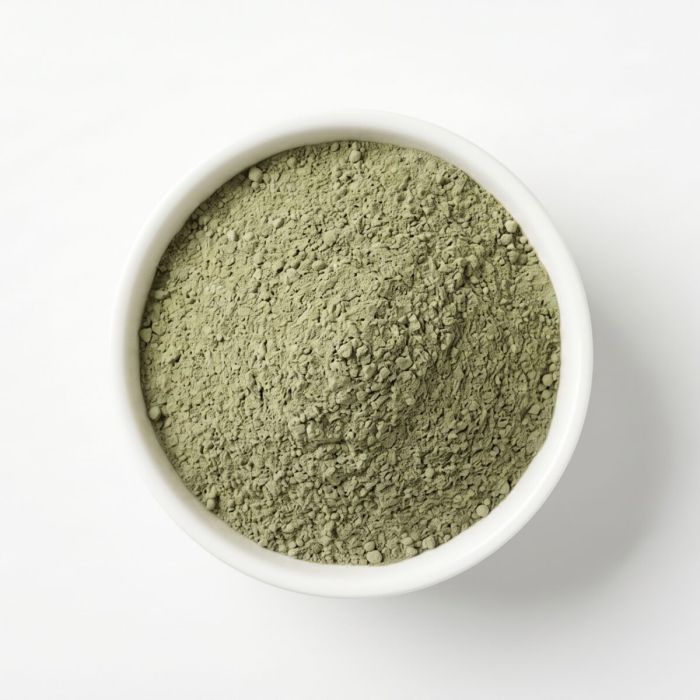
Green Hulu / Green Kapuas is a regional “green vein” kratom powder name associated with Indonesia’s Kapuas River basin, especially the upstream Kapuas Hulu area of West Kalimantan (Indonesian Borneo). This humid rainforest river region supports dense evergreen growth and consistent leaf development.
Our lots are sourced through established farm-and-collector networks with mature-leaf selection, clean handling, and batch traceability. What makes Green Hulu / Green Kapuas unique is its origin-specific identity (upper Kapuas sourcing) paired with controlled drying that helps preserve a greener look and a steady, well-managed alkaloid spectrum (no medical or therapeutic claims). Kratom trees commonly need 2–3 years before initial harvesting, and often 3–5 years for dependable repeat harvest cycles.
After harvest, material is inspected, cleaned, dried, milled, microground, filtered, and verified via contaminant filtration plus heavy metals and microbial testing. Not intended for human consumption.
'Green Hulu / Green Kapuas Kratom Powder' Product Details (Q&A)
Q: What is Green Hulu / Green Kapuas?
A: Green Hulu / Green Kapuas is a kratom powder name linked to Indonesia’s Kapuas River region. “Hulu” refers to the upstream area, “Kapuas” references the river basin, and “Green” indicates a green-style profile influenced by leaf maturity and drying choices.
Q: How are the strains sourced?
A: Lots are sourced through regional farms and collector networks that prioritize mature-leaf selection, clean handling, and lot separation. Harvests are grouped by season and processing style to support consistent color, texture, and alkaloid-spectrum uniformity from batch to batch.
Q: Where is it grown?
A: This variety is commonly associated with Kapuas Hulu in West Kalimantan (Indonesian Borneo), located around the upper drainage of the Kapuas River. The surrounding landscape is strongly shaped by river systems, high humidity, and rainforest conditions that support vigorous evergreen growth.
Q: What makes this strain unique?
A: Its uniqueness comes from upper Kapuas (Hulu) regional identity combined with controlled post-harvest handling designed to preserve a cleaner green appearance and a steady, well-managed alkaloid spectrum through mature-leaf grading and consistent drying. (No therapeutic or medical claims are made.)
Q: How long does it take to cultivate Thai kratom trees?
A: Under suitable tropical conditions, Mitragyna speciosa commonly needs about 2–3 years before initial harvesting becomes practical. Many growers consider 3–5 years a more dependable window for consistent, repeat harvest cycles, depending on climate, soil, and care.
Q: What is the after-harvesting process?
A: Leaves are collected and inspected, then cleaned to remove field debris. For green-style batches, drying often emphasizes airflow and reduced direct sun exposure to help maintain greener color and stable moisture. Dried leaf material is then milled, sifted, and prepared for final filtration and verification steps.
Q: How long does it take to cultivate Thai kratom trees?
A: As a stable production benchmark, expect roughly 3–5 years for trees to reach a reliable harvest rhythm, supported by ongoing care, pruning, and seasonal growth cycles.
Q: Microgrinding Process
A: After primary milling, the dried leaf material is microground to achieve a fine, uniform powder. This supports consistent texture and more even blending across the batch.
Q: Contaminant Filtration
A: The finished powder goes through a thorough, supervisor-led contaminant filtration process intended to remove unwanted foreign material and help ensure a clean, uniform final output.
Q: Heavy Metals Testing
A: Each batch goes through a thorough heavy metals testing stage as part of quality verification prior to release.
Q: Microbial Testing
A: Each batch goes through a thorough microbial testing stage to verify it meets internal quality standards.
Q: Is the product intended for human consumption?
A: No. This product is not intended for human consumption. It is sold for botanical reference, educational, or research purposes only. Keep out of reach of children and pets.
Note: This description focuses on origin, cultivation timelines, processing, and quality controls only, and does not make medical or therapeutic claims.