Montreal SMS\Phone(263) 366-8232


Red Maeng Da is a well-known “red vein” kratom powder name used in the botanical trade, traditionally linked to Thai-origin naming while most modern large-scale supply is sourced from Indonesia’s equatorial growing regions, especially Borneo (Kalimantan) and Sumatra.
Our Red Maeng Da lots are sourced through established farm and collector networks that prioritize mature-leaf selection, careful drying, and consistent batch handling. What makes this variety unique is its reputation for a more concentrated, tightly controlled alkaloid spectrum, driven by selective leaf grading and disciplined post-harvest processing (without any medical or therapeutic claims). Kratom trees typically require about 3–5 years of cultivation before reliable, repeatable harvesting is practical.
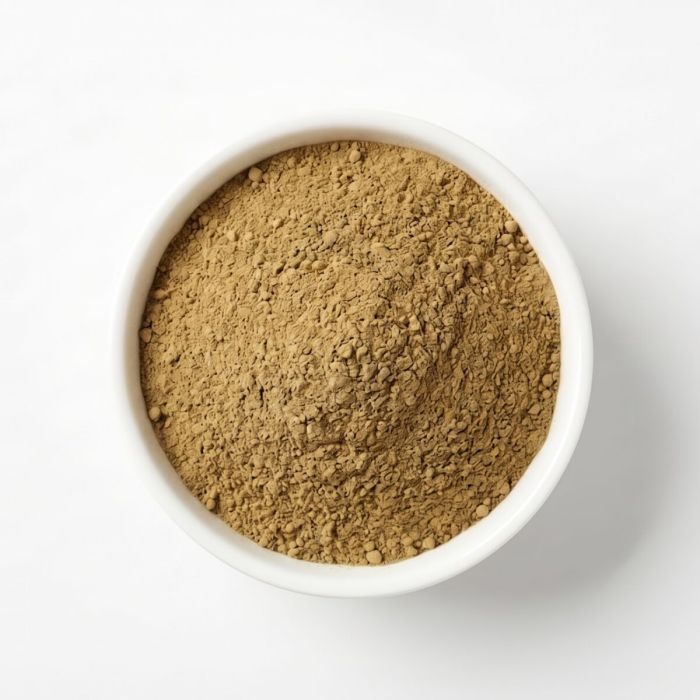
After harvest, leaves are inspected, cleaned, dried, and milled, then microground to a uniform powder. Each batch goes through supervisor-led contaminant filtration plus heavy metals and microbial testing. Not intended for human consumption.
'Red Maeng Da Kratom Powder' Product Details (Q&A)
Q: What is Red Maeng Da?
A: Red Maeng Da is a popular kratom powder name in the botanical marketplace. “Maeng Da” is commonly described as a Thai trade term associated with higher-grade leaf selection, and “Red” refers to a red-vein style profile shaped by leaf maturity and drying/curing choices.
Q: How are the strains sourced?
A: Lots are sourced through regional farms and collector networks that emphasize mature-leaf picking, clean handling, and batch separation. Harvests are grouped by season and processing method to support consistent color, texture, and alkaloid profile from batch to batch.
Q: Where is it grown?
A: While the naming has Thai roots, most large-scale Red Maeng Da supply is commonly sourced from Indonesia, especially the humid equatorial ecosystems of Borneo (Kalimantan) and Sumatra, where steady warmth and rainfall support vigorous evergreen leaf growth.
Q: What makes this strain unique?
A: Red Maeng Da is often associated with a more “premium-grade” approach to selection and processing, typically aiming for a more concentrated and consistent alkaloid spectrum through mature-leaf grading and controlled drying/curing. (No therapeutic or medical claims are made.)
Q: How long does it take to cultivate Thai kratom trees?
A: A common cultivation benchmark is about 3–5 years for kratom trees (Mitragyna speciosa) to reach dependable maturity for consistent harvesting, depending on climate, soil, and care.
Q: What is the after-harvesting process?
A: Leaves are collected and inspected, then cleaned and dried under controlled conditions. Some batches include additional curing steps to stabilize moisture and appearance before milling. Dried material is then ground, sifted, and prepared for final quality checks.
Q: How long does it take to cultivate Thai kratom trees?
A: In practical production terms, growers often plan on roughly 3–5 years before trees reach a stable harvest rhythm, with ongoing care and seasonal cycles influencing leaf yield and consistency.
Q: Microgrinding Process
A: After primary milling, the dried leaf material is microground to achieve a fine, uniform powder, supporting smoother texture and more consistent blending across the batch.
Q: Contaminant Filtration
A: The finished powder goes through a thorough, supervisor-led contaminant filtration process intended to remove unwanted foreign material and help ensure a clean, uniform final output.
Q: Heavy Metals Testing
A: Each batch goes through a thorough heavy metals testing stage as part of quality verification prior to release.
Q: Microbial Testing
A: Each batch goes through a thorough microbial testing stage to verify it meets internal quality standards.
Q: Is the product intended for human consumption?
A: No. This product is not intended for human consumption. It is sold for botanical reference, educational, or research purposes only. Keep out of reach of children and pets.
Note: This description focuses on sourcing, cultivation timelines, processing, and quality controls only, and does not make medical or therapeutic claims.